BALDÍO餐厅,墨西哥 / LOCUS
type
status
date
slug
summary
tags
category
icon
password
URL
©版权声明本文内容摘录自 谷德设计网,仅作为个人学习与研究案例收集之用。摘录部分已明确标注来源,权利归属原作者及原始发布平台所有。如涉及版权问题,请权利人通过以下方式联系,我们将第一时间核实并处理:联系邮箱:iweiuqi@gmail.com原文链接:


生态系统构成:水、泥与土
Ecosystem composition: Water, Mud and Soil
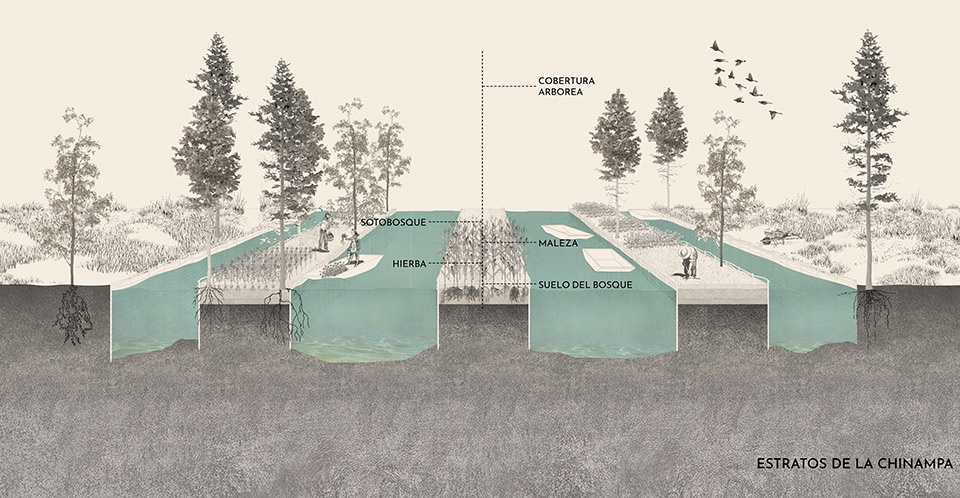
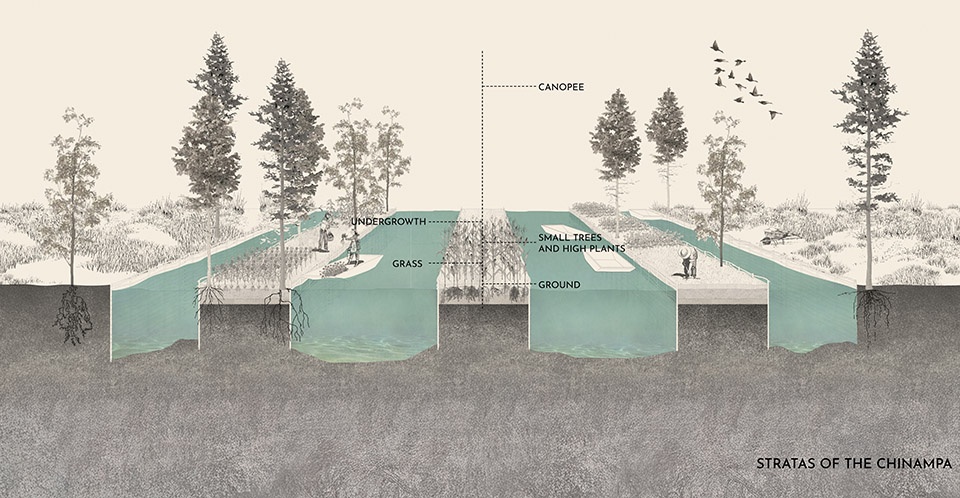
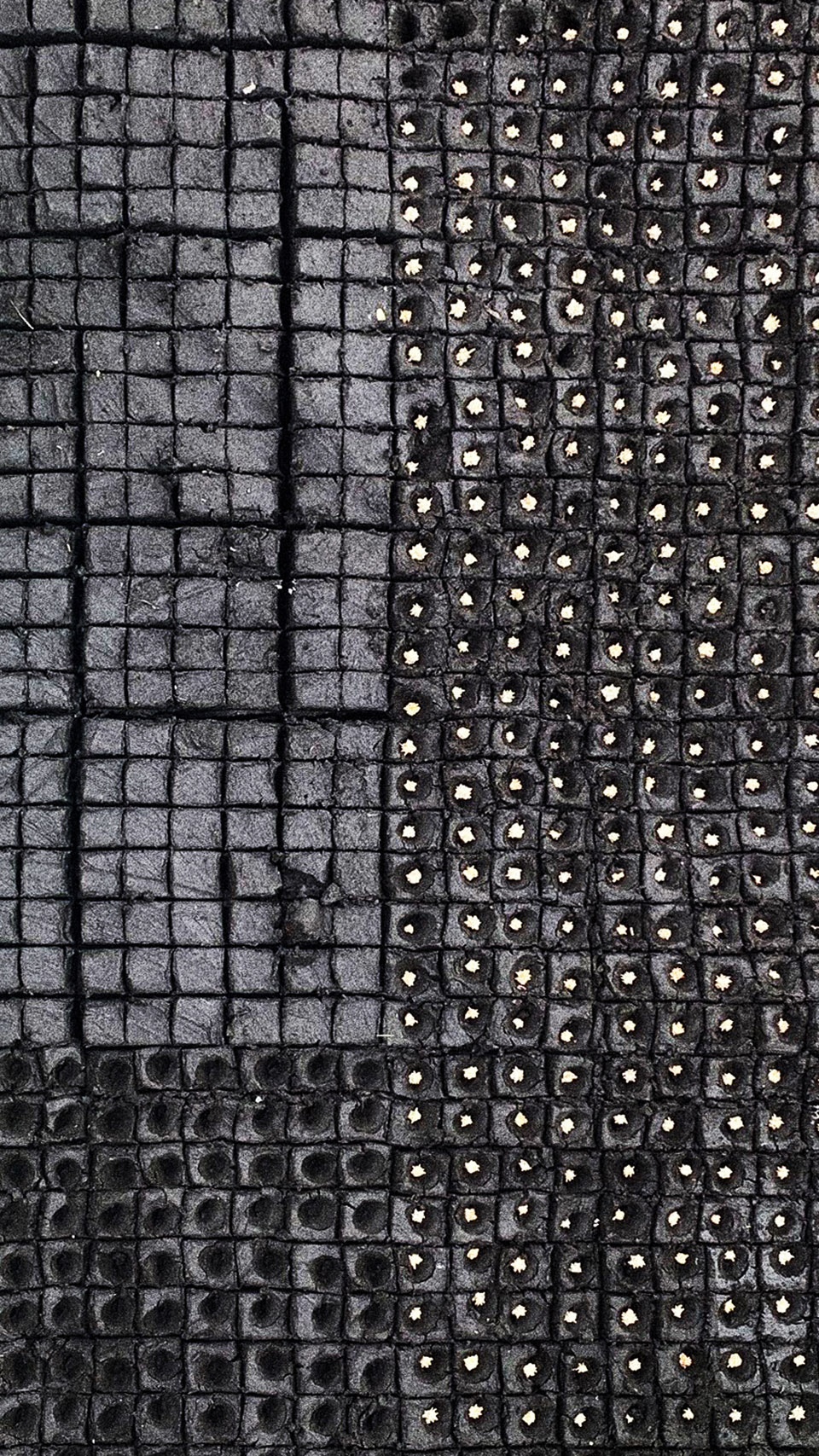
“浮园耕作法”是由墨西哥中部地区的墨西加人(Mexicas)在前西班牙时期创造的一种农业体系,这种可持续的农耕方法充分利用了墨西哥谷地湿地的天然肥力。受这一古老技艺的启发,Arca Tierra项目旨在保护与复兴浮园耕作文化(通过人工堆叠淤泥与植被构建的肥沃种植床),推动农业生态与本地生产方式的发展。
The chinampas, a pre-Hispanic farming system created by the Mexicas, represent a sustainable agricultural method that takes advantage ofthe natural fertility of the wetlands in the Valley of Mexico. Inspired by this ancestral technique, the Arca Tierra project seeks to preserve and reactivate the chinampas, promoting agroecological and local production.
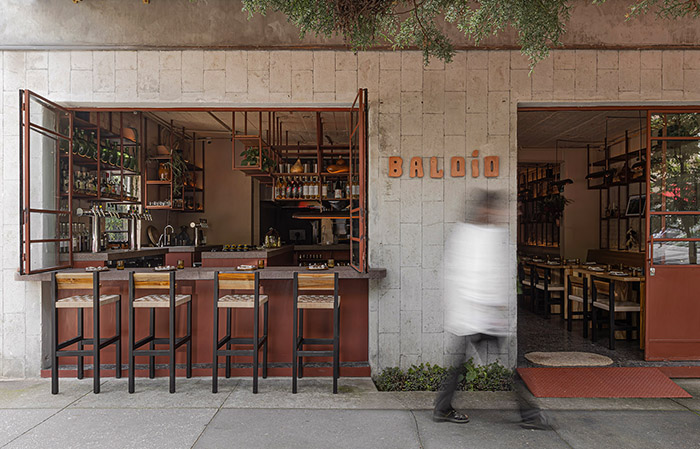
▼餐厅外观,exterior of the restaurant ©Alejandro Ramirez Orozco
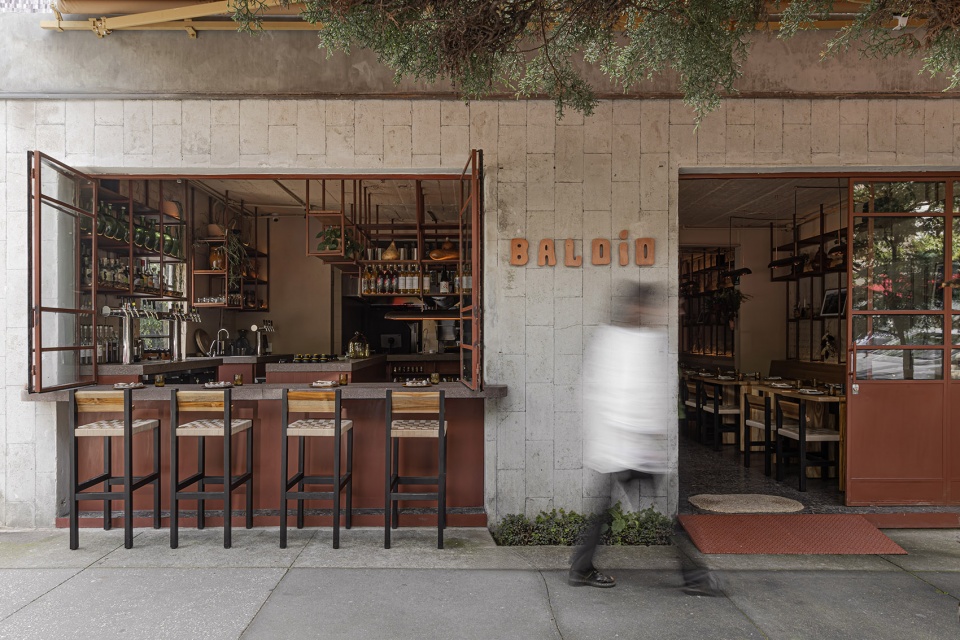
该项目与Baldío餐厅的合作,体现了双方对可持续理念和使用新鲜本地食材的共同承诺。在Baldío餐厅,浮园中种植的农产品成为菜单的一部分,彰显了传统农业方法对于生物多样性、土壤健康的重要作用,同时也加深了墨西哥城都市与乡村之间的联系。
▼浮园耕作法,the chinampas ©LOCUS
Its connection with the Baldío restaurant reflects a shared commitment to sustainability and the use of fresh, local ingredients. At Baldío, products grown in chinampas are part of the gastronomic offering, highlighting the value of traditional farming methods that enhance biodiversity and soil health, while strengthening the bond between the countryside and the table in Mexico City.
▼餐厅外观,exterior of the restaurant ©Alejandro Ramirez Orozco
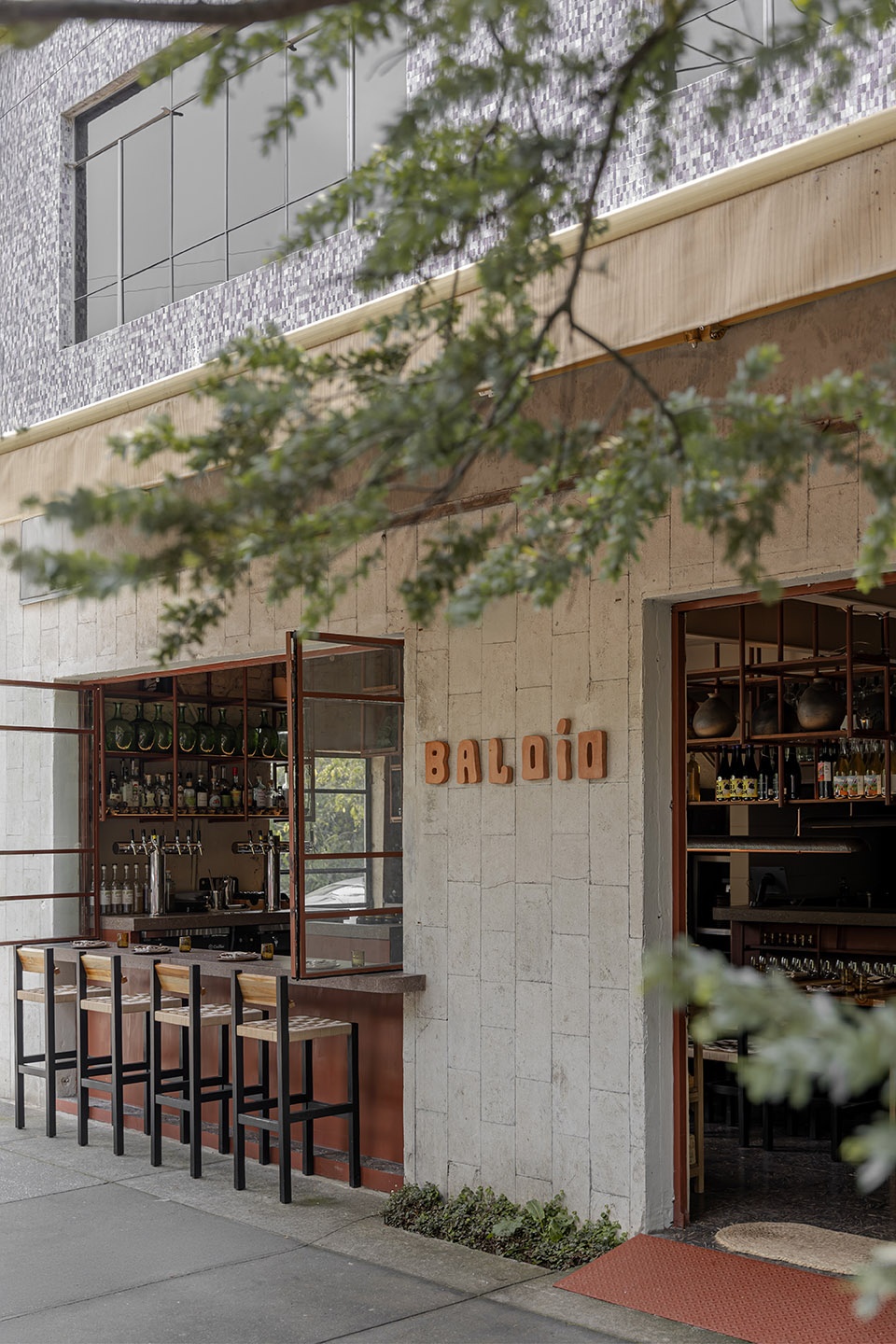
墨西哥城首家零废料餐厅
The first zero-waste restaurant in Mexico city
在墨西哥城,Baldío不仅仅是一家餐厅,更是一种以可持续性为核心的价值宣言。无论是建筑设计还是餐饮理念,每一项决策都深植于对城市与自然环境的尊重之中。餐厅的创始人设想打造一个不仅能带来难忘用餐体验,更能激发人们反思资源使用与环境影响的空间。从一开始,Baldío就被构思为自然与城市之间的交汇点,空间中所用的材料讲述着循环、转化与重生的故事。大部分家具与装饰元素均由回收木材和再利用材料制成,这些材料来自不同的旧环境,被赋予了新的生命。这些选择不仅降低了空间的生态足迹,也在无声中传递了资源保护与再利用的重要性。
▼轴测图,axonometric ©LOCUS
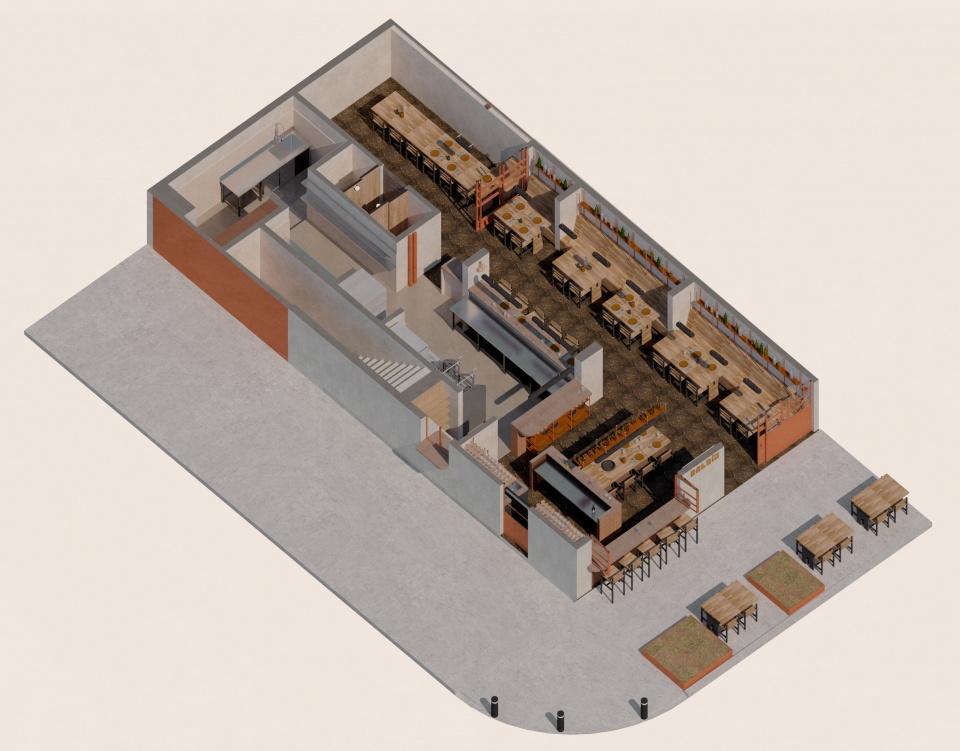
In Mexico City, Baldío is much more than a restaurant: it is a statement of principles centered around sustainability, where everydecision, from its architectural design to its culinary concept, is deeply rooted in respect for both urban and naturalenvironments. Its creators envisioned a space that not only offers an unforgettable dining experience but also inspiresreflection on the conscious use of resources and the environmental impact of our everyday choices. From its inception, Baldío wasdesigned as a meeting point between nature and the city, where materials speak of cycles, transformations, and second chances. Muchof the furniture and decorative elements are crafted from recycled wood and repurposed materials, salvaged from previous contexts togive them a new life. These decisions not only minimize the ecological footprint of the space but also weave a narrative that connects visitors to the importance of preserving and reusing existing resources.
▼室内空间,indoor space ©Alejandro Ramirez Orozco
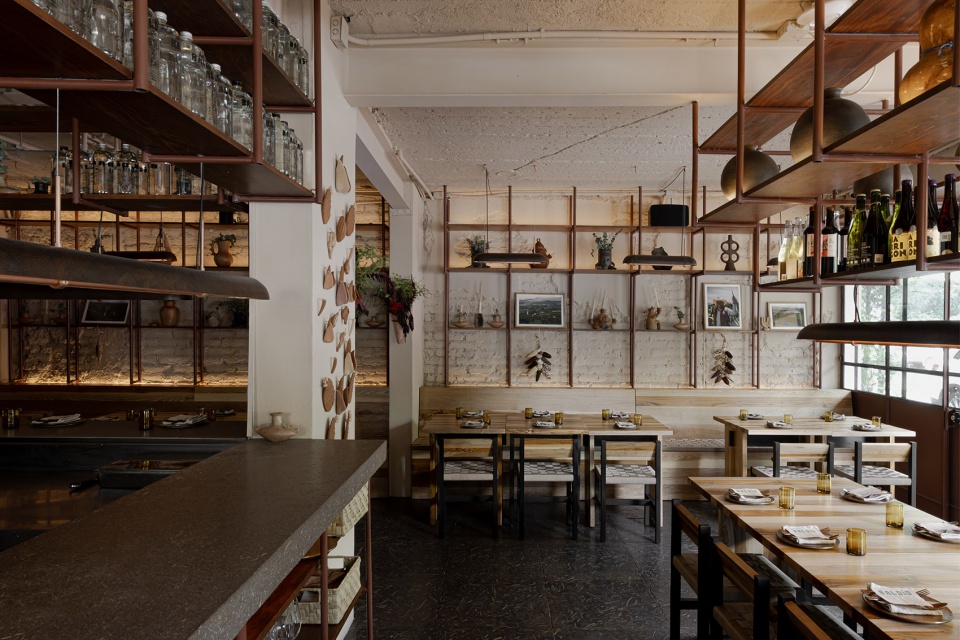
▼室内空间,indoor space ©Alejandro Ramirez Orozco
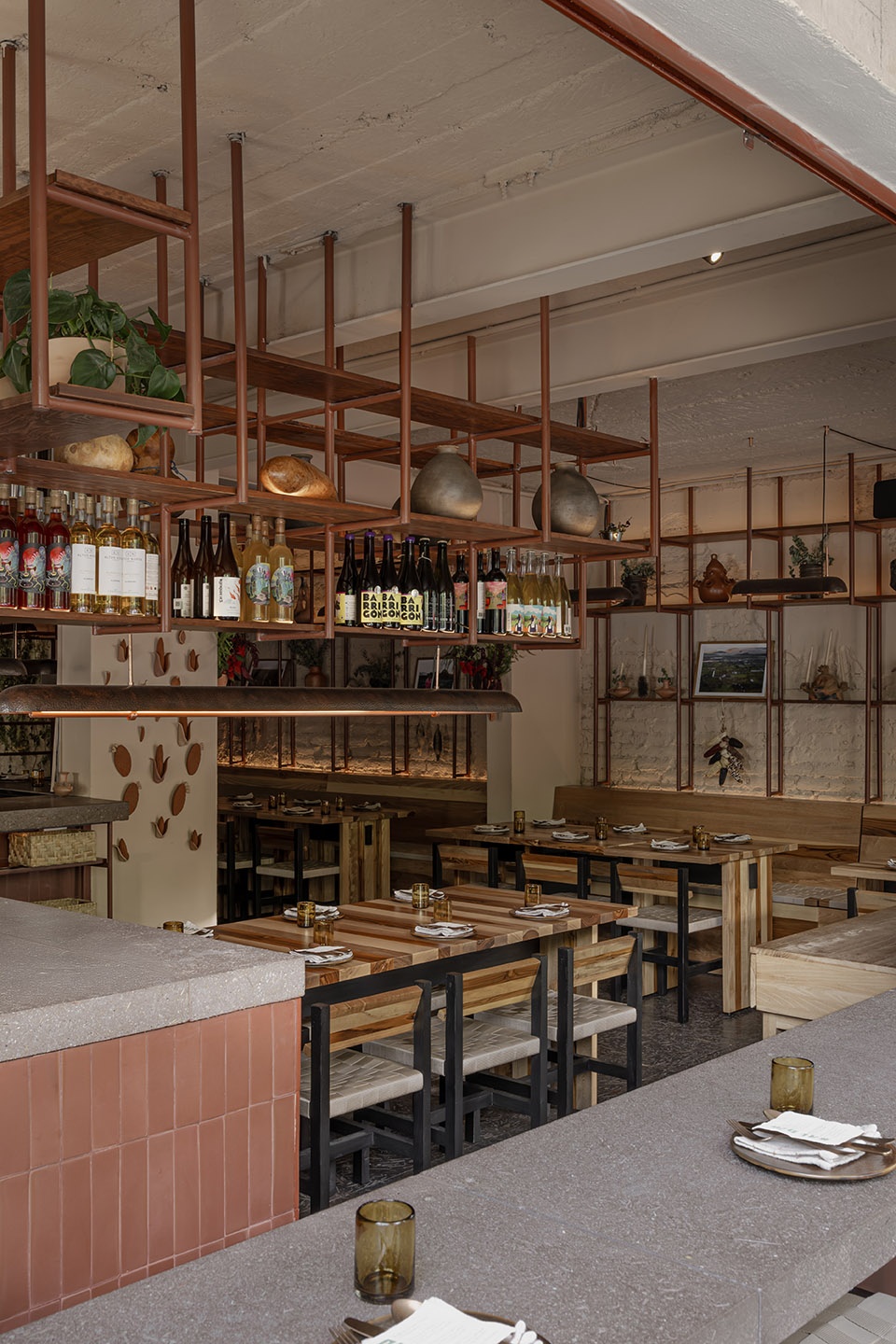
在Baldío,审美与功能性交融,营造出温暖而真实的氛围。餐厅提醒着人们珍视长期资源保护的重要性,同时邀请宾客在美食之外,体验一场关于反思、创意与环境关怀的旅程。
At Baldío, aesthetics and functionality converge to create a warm and authentic atmosphere. The restaurant stands as a reminder of the value of long-term resource preservation while inviting guests to enjoy an experience that transcends the culinary, embracing reflection, creativity, and environmental care.
▼营造温暖而真实的氛围,create a warm and authentic atmosphere ©Alejandro Ramirez Orozco
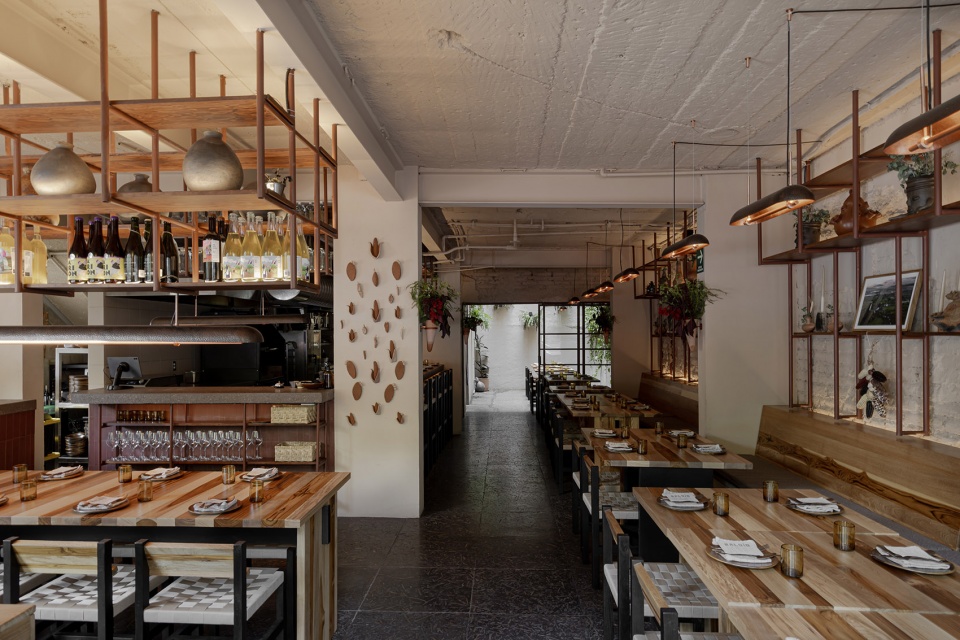
▼营造温暖而真实的氛围,create a warm and authentic atmosphere ©Alejandro Ramirez Orozco
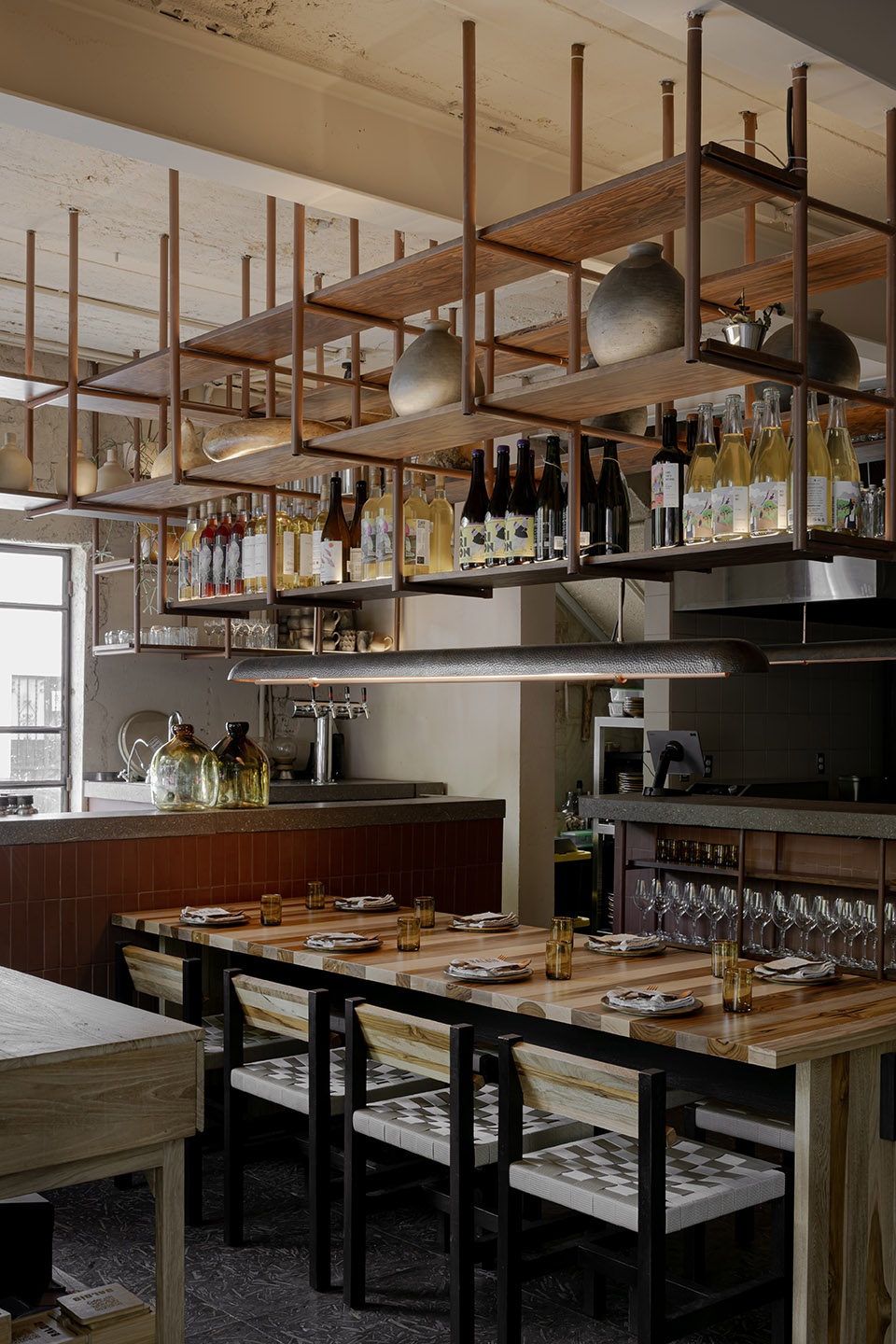
可持续性是设计工作室Locus在Baldío项目中贯彻的基本原则,体现在每一个设计细节与材料选择上。从家具、地面到吧台的制作,Locus始终优先使用回收木材,追求功能、美学与环境责任之间的平衡。这些决定不仅赋予空间独特而质朴的气质,也强调了在城市环境中重用材料的重要性,从而减少对新资源的需求,最大程度降低环境影响。
Sustainability was a fundamental pillar in Locus’s intervention at Baldío, evident in every design and material From the creation offurniture to the floors and bar counters, the studio prioritized the use of recycled wood, achieving a balance between functionality, aesthetics,and environmental responsibility. These choices not only give the space a unique and rustic character but also emphasize the value of reusing materials in an urban context, reducing the demand for new resources and minimizing environmental impact.
▼用餐区,dining area ©Alejandro Ramirez Orozco
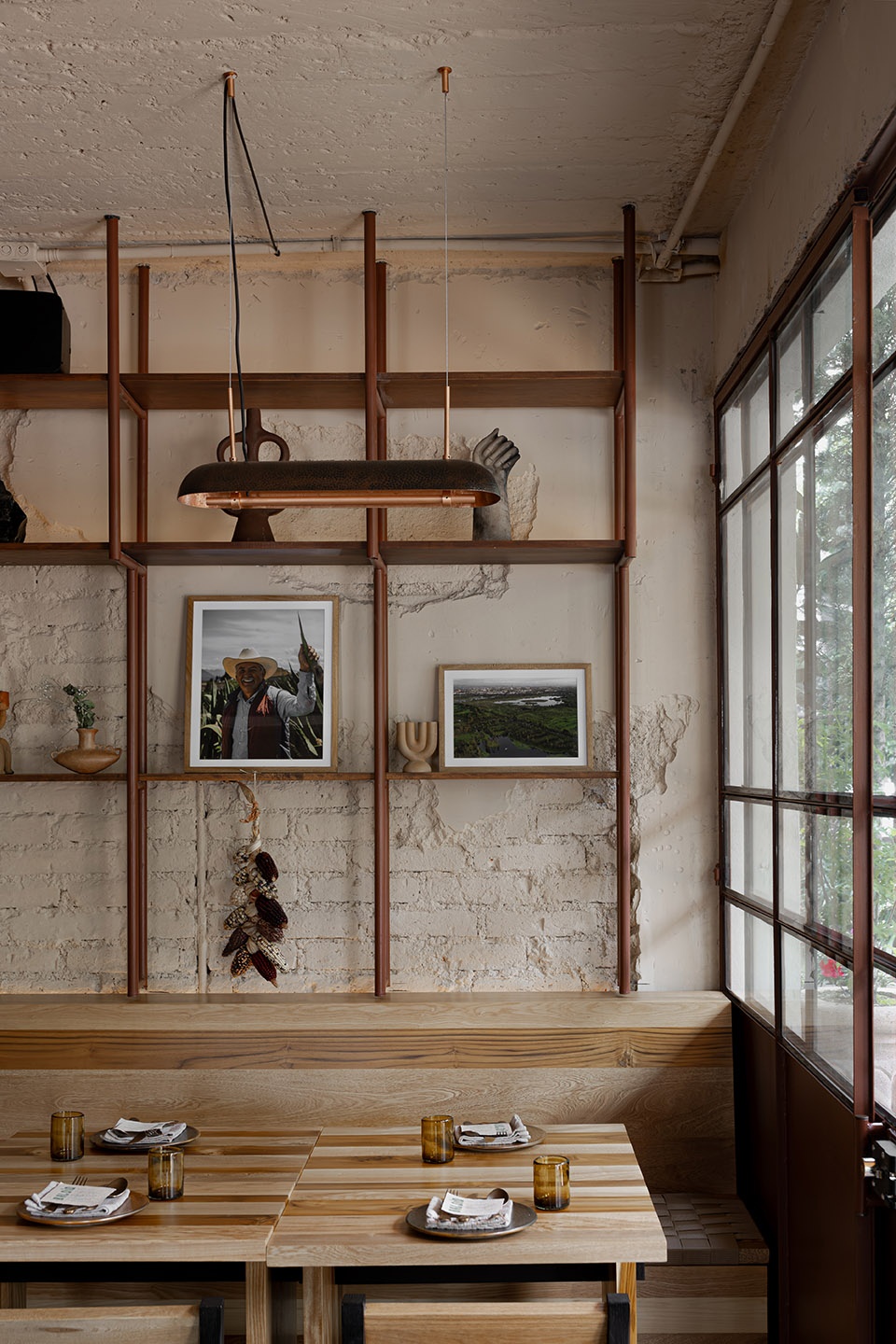
▼优先使用回收木材,prioritized the use of recycled wood ©Alejandro Ramirez Orozco
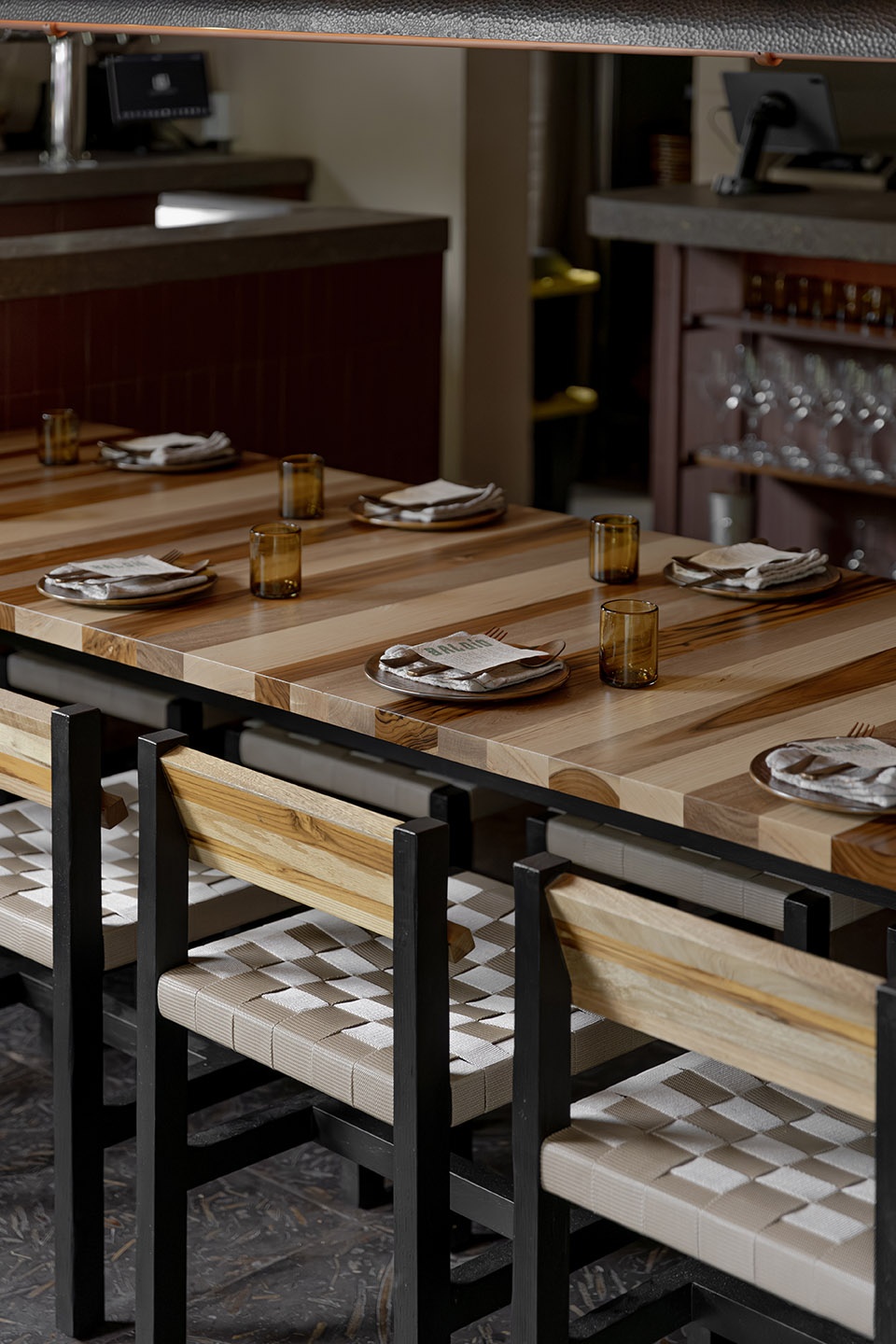
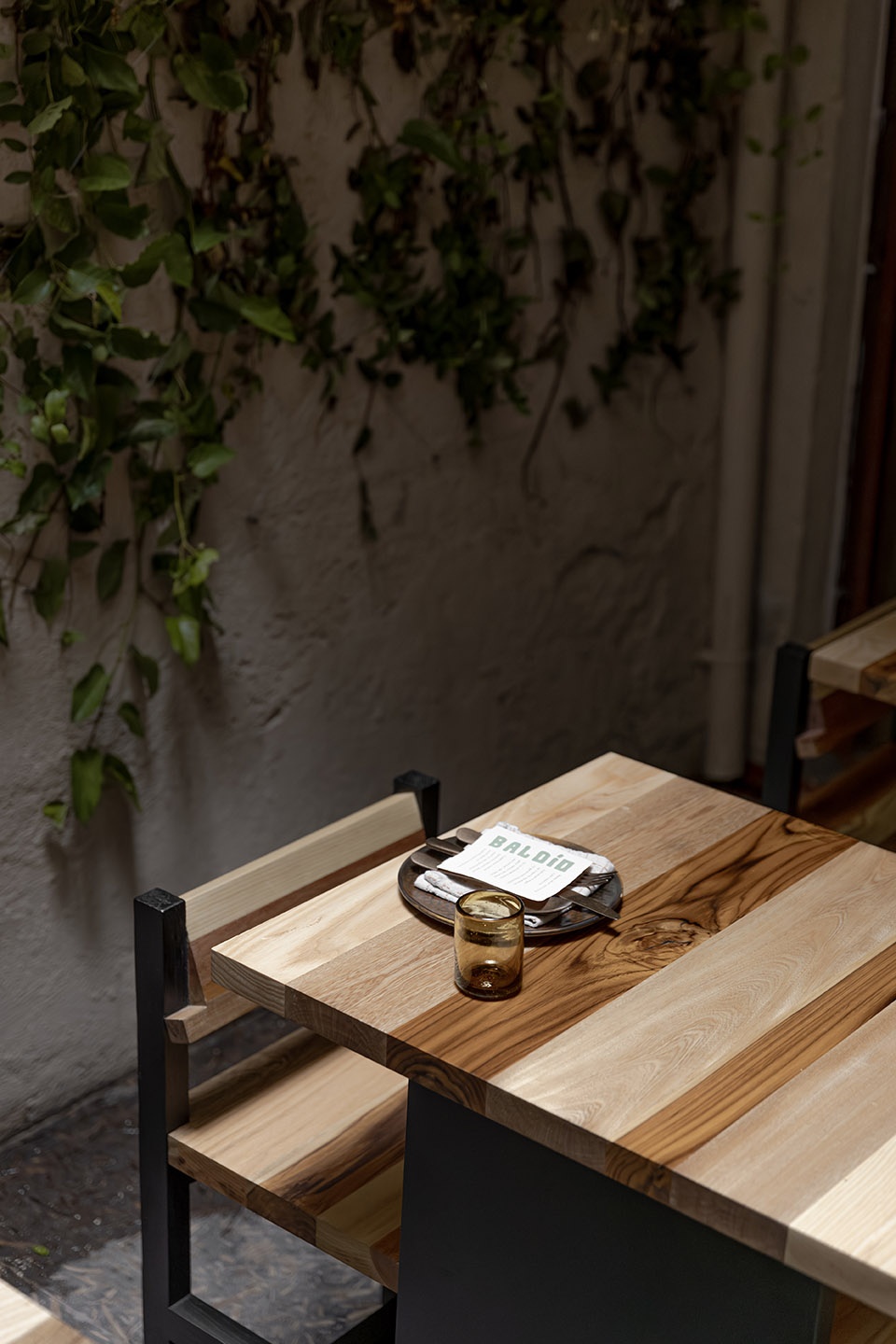
▼材料细部,material detail ©Alejandro Ramirez Orozco
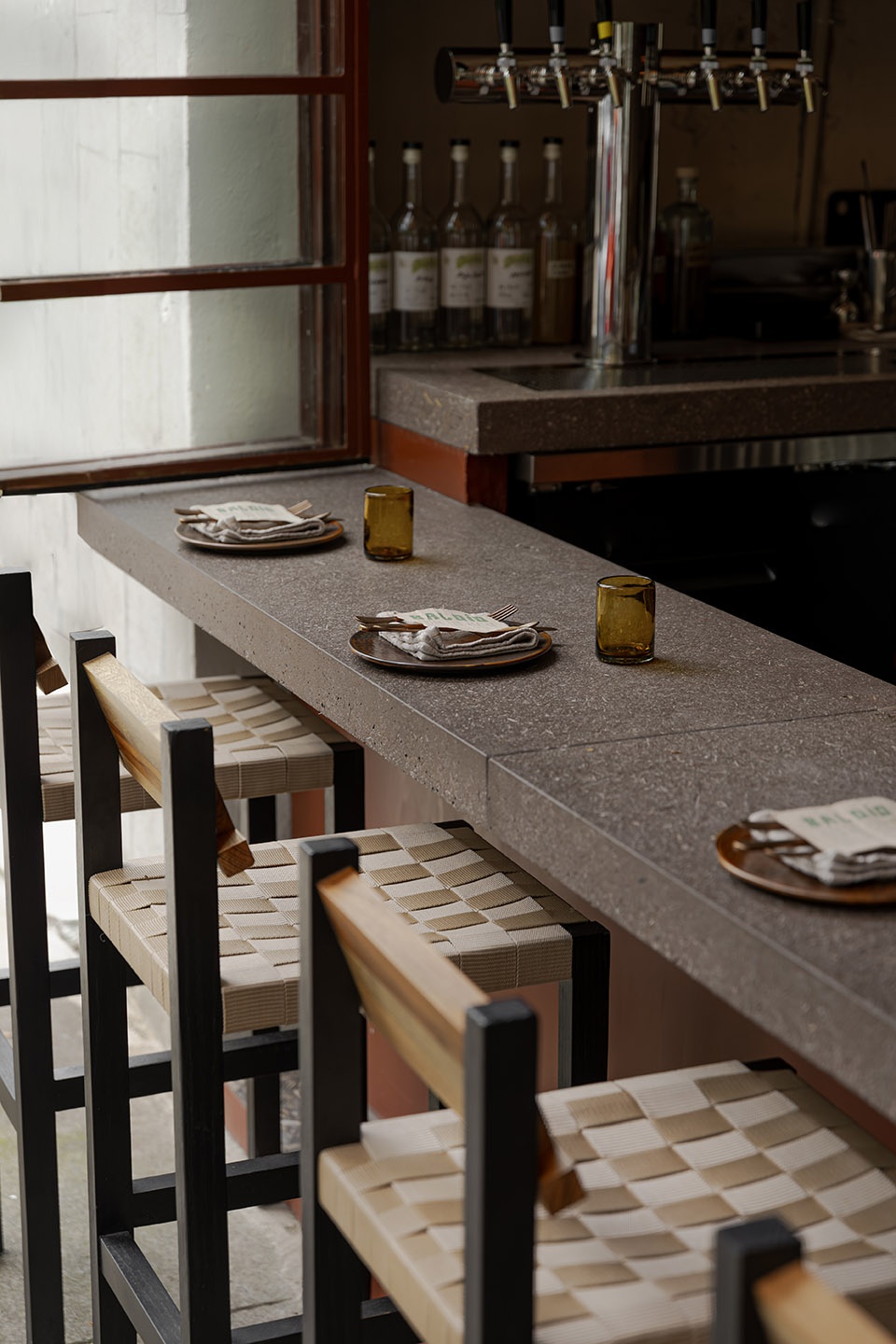
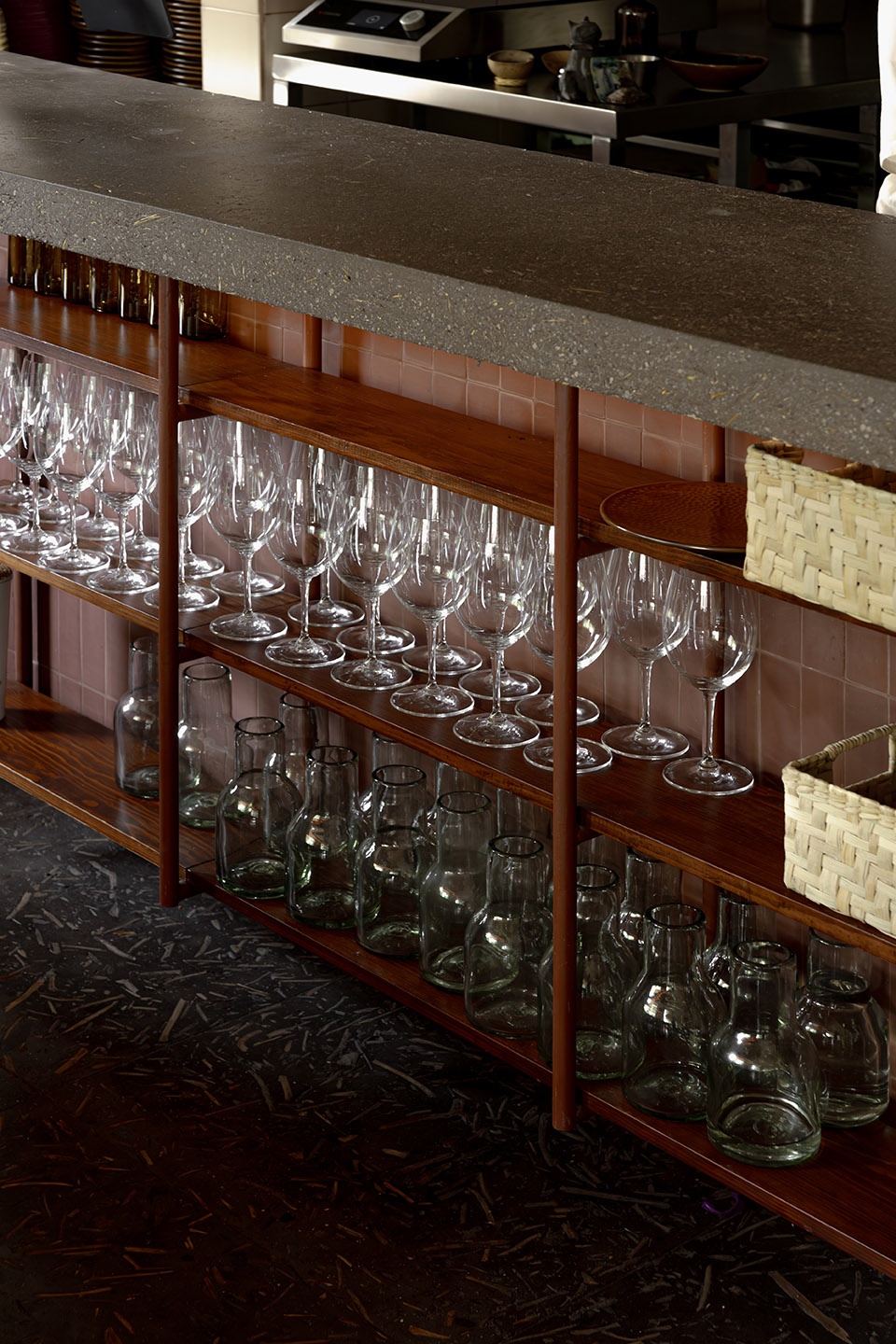
Locus与餐厅创始人之间的紧密合作,确保了设计从一开始就以可持续性为核心。每一个建筑元素都旨在传达一个明确的信息:设计与生态责任可以并存,并且能够相辅相成。这份承诺塑造了一个既真实动人又富有教育意义的空间,成为建筑与室内设计积极参与环境保护的有力范例。
The collaborative approach between Locus and the restaurant’s creators allowed for a design that breathes sustainability into every Each architectural element was conceived to convey a clear message: design and ecological responsibility can coexist in harmony. This commitment translates into a space that not only captivates with its authenticity but also serves as a tangible example of how architecture and interior design can actively contribute to environmental preservation.
▼浮园耕作法,the chinampas©LOCUS

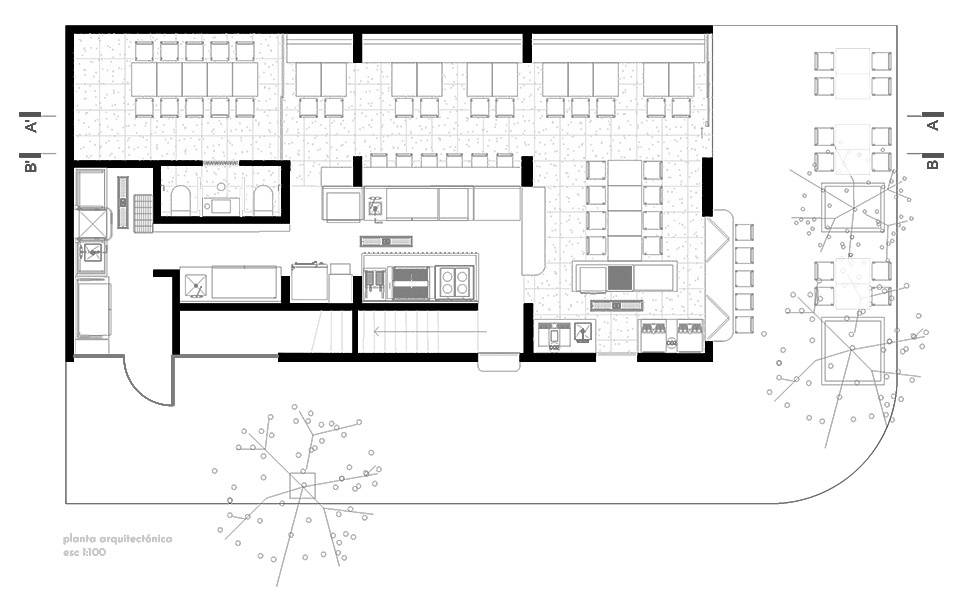
▼平面图,plan ©LOCUS
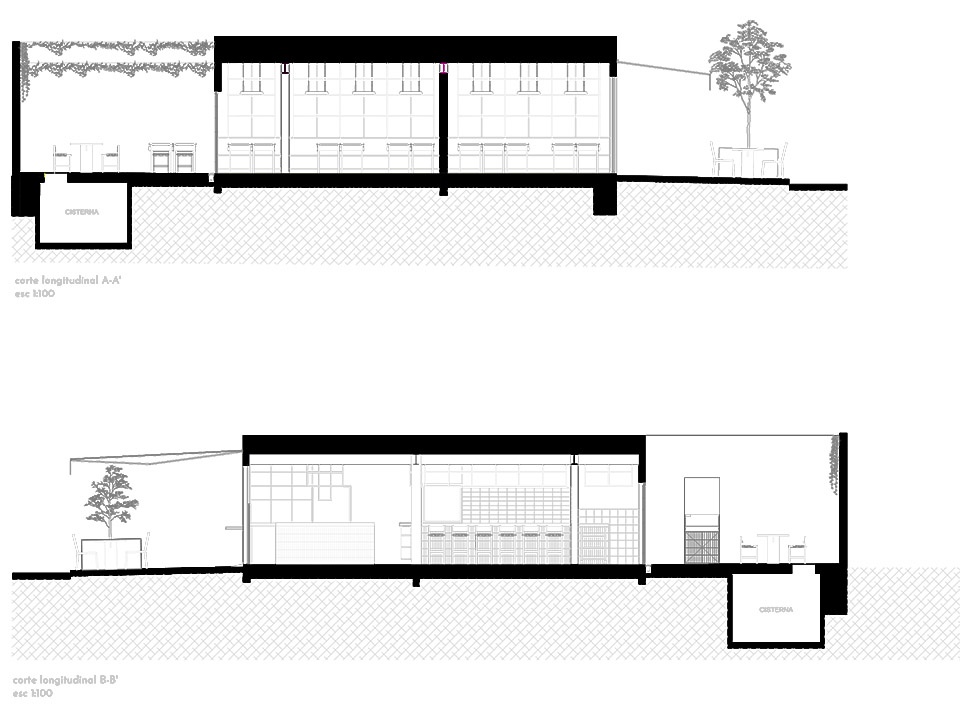
▼剖面图,section ©LOCUS
Créditos: Locus, Jachen Schleich, Sana Frini.
Equipo: Santiago Sitten, Eduardo Silva, Lucia Pells.
Lighting: Locus X Estudio Nuumbra (@Nuumbra.Estudio).
Sinks: Locus X Mdc (@Mueblesdeconcreto).
Furniture: Locus X Taller Nacional (@Taller_nacional).
Floor + Bars: Locus X Mdc (@Mueblesdeconcreto).
Lanscaping: Arca Tierra (@Arca.Tierra).
Textile Design: Michelle Cortina (@Michiibichi).
Textile Production: Maison Mani (@Maison_mani).